
How to practice sense of rhythm:What are the most effective daily exercises to develop a sense of rhythm?
Q: What are the most effective daily exercises to develop a sense of rhythm?
A: To build a strong sense of rhythm, start with a daily metronome practice at a slow tempo, such as 60 BPM. Clap or tap your foot on each beat, then subdivide into eighth and sixteenth notes. Next, practice counting aloud while walking: step on each beat and say '1-2-3-4' evenly. Another powerful exercise is to play simple rhythms on a drum pad or table, alternating between quarter notes, eighth notes, and rests. Try echoing rhythmic patterns you hear in songs, and record yourself to check for steadiness. Aim for 10–15 minutes daily. Consistency matters more than speed. Over time, your internal clock will improve, and you will naturally feel the pulse without conscious effort.
Q: How can I practice rhythm without any musical instrument?
A: You can practice rhythm entirely with your body and everyday sounds. Start by clapping or tapping your thighs to a steady beat from a song or a metronome app. Then use your voice: say 'boom-chick' for a basic rock beat, or count '1 e and a 2 e and a' for sixteenth notes. Walk around your room, stepping on the beat and clapping offbeats. You can also use household items like pencils, cups, or a closed door as percussion. Another great method is to listen to a song and try to identify the main drum pattern, then replicate it with your hands. Record yourself on your phone to hear if you stay consistent. No instrument is needed—just your body, ears, and a steady commitment.
Q: Why is it important to practice rhythm slowly, and how do I do it correctly?
A: Practicing slowly is crucial because your brain needs time to internalize the precise timing of each note and rest. If you practice fast, you may gloss over mistakes and reinforce bad habits. To do it correctly, set a metronome to a tempo where you can play or clap with perfect accuracy—often around 50–70 BPM. Focus on evenness: every note should have the same duration and volume. Count out loud, especially for syncopated rhythms. Once you can repeat the pattern flawlessly for one minute, increase the tempo by 5 BPM. Never rush this process. Slow practice builds a rock-solid internal clock, and speed will come naturally. This method works for any instrument, including just clapping or tapping.
Q: How can I make rhythm practice more fun and consistent?
A: To keep rhythm practice enjoyable, turn it into a game. Use a metronome app with different sounds, or play along to your favorite songs on Spotify or YouTube. Try rhythmic challenges: clap a pattern, then have a friend (or a recording) answer with a variation. Dance to the beat—dancing is rhythm practice in disguise. Another idea is to record a short loop of your own clapping or tapping, then layer another rhythm on top using a free app like GarageBand or BandLab. Set a daily 5-minute goal and track your streak on a calendar. Celebrate small wins, like staying on beat for a full song. When practice feels like play, you'll stick with it, and your sense of rhythm will improve faster than you expect.
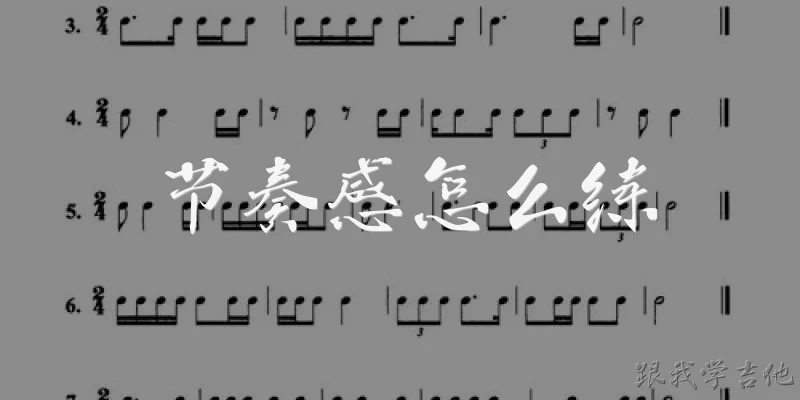
Dialogue about
Common scenarios of "How to practice sense of rhythm"
【Student】 老师,我最近在练习弹吉他,但总是弹得忽快忽慢,没有节奏感。您能给我一些建议吗?
【Teacher】 没问题。首先,你需要明白节奏感是可以通过练习提高的。我们可以从最基础的节拍器开始。你平时用节拍器吗?
【Student】 偶尔用,但觉得跟着节拍器弹很别扭,容易分心。
【Teacher】 一开始都会这样。建议你先把节拍器调到慢速,比如60 BPM,然后只弹一个音,确保每个音都精准地落在节拍上。
【Student】 只弹一个音?那会不会太简单了?
【Teacher】 简单才容易专注。你可以先练习四分音符,每拍弹一下,感受稳定的脉冲。等熟练后再练习八分音符、十六分音符。
【Student】 好的,我试试。除了节拍器,还有其他方法吗?
【Teacher】 当然。你可以尝试用身体打拍子,比如用脚踩拍子,同时用手打不同的节奏,这能锻炼你的协调性和内在节奏感。
【Student】 脚踩拍子,手打节奏?能具体举个例子吗?
【Teacher】 比如脚踩四分音符,手拍八分音符,或者反过来。一开始可能很难,但坚持练习会大大提高你的节奏分离能力。
【Student】 明白了。那在练习曲目时,有什么要注意的吗?
【Teacher】 建议你把曲目拆分成小段,先放慢速度练习,确保每个音的时值准确。可以使用节拍器辅助,逐渐提高速度。
【Student】 我有时候一紧张就会赶拍子,怎么克服?
【Teacher】 紧张时呼吸会变浅,导致节奏不稳。练习时注意深呼吸,放松肩膀。另外,多录下自己的演奏,回听能发现节奏问题。
【Student】 录音?我从来没试过,感觉会很难听。
【Teacher】 一开始都会这样,但这是提高最快的方法之一。你可以对比原曲,找出差距。坚持一段时间,你会看到进步。
【Student】 好的,我回去就试试。还有别的练习吗?
【Teacher】 你可以练习节奏视唱,比如用手打拍子,嘴里念出节奏型,如“哒 哒 哒哒 哒”。这能强化内心对节奏的感知。
【Student】 这个听起来挺有趣的。我会每天抽时间练习的。
【Teacher】 很好!记住,节奏感需要日积月累,不要急于求成。坚持练习,你一定会进步的。加油!