
BB drum machine effects processor:What is a BB drum machine effects processor and how does it work?
Q: What is a BB drum machine effects processor and how does it work?
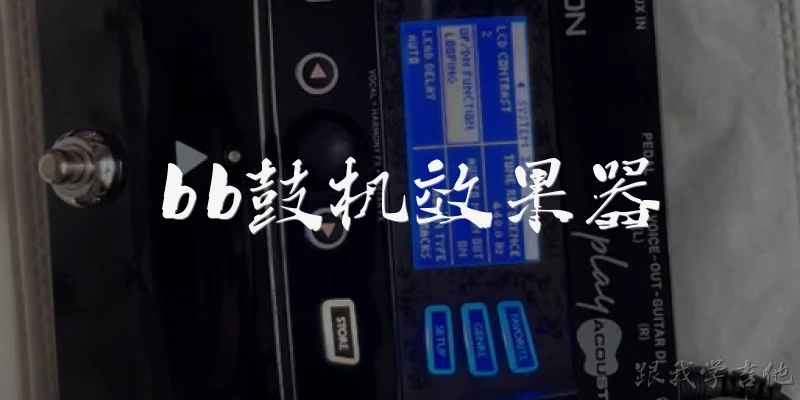
A: A BB drum machine effects processor typically refers to a device or software that combines drum synthesis or sample playback with built-in effects processing. In many contexts, 'BB' may relate to specific models or brands, but generally it means a drum machine that not only generates beats but also lets you apply effects like reverb, delay, distortion, and filtering to individual drum sounds or the entire mix. It works by generating or sequencing drum sounds, then routing them through an internal effects engine. You can adjust parameters such as decay, feedback, and modulation in real time, often via knobs, pads, or a digital interface. Some units allow per-voice effects, meaning each drum sound can have its own processing chain. This makes it a powerful tool for creating unique textures, from subtle ambience to aggressive industrial percussion. Whether you're producing electronic music, hip-hop, or experimental sound design, a BB drum machine effects processor gives you hands-on control over both rhythm and sonic character in one integrated unit.
Q: What are the key features to look for in a BB drum machine effects processor?
A: When choosing a BB drum machine effects processor, focus on several critical features. First, check the sound engine: does it offer analog-style synthesis, PCM samples, or both? A good unit should have a wide range of drum voices, from classic 808 and 909 sounds to modern electronic kits. Second, examine the effects section. Look for essential effects like reverb, delay, chorus, flanger, bitcrusher, and overdrive, with adjustable parameters and the ability to chain multiple effects. Per-pad or per-voice effects are a big plus for detailed sound design. Third, consider sequencing capabilities: step count, pattern storage, swing, and song mode. Connectivity matters too—MIDI in/out, USB, and audio inputs for processing external gear. Fourth, hands-on control: knobs, faders, and velocity-sensitive pads enhance playability. Finally, check the build quality and whether it's hardware or software. A hardware unit offers tactile satisfaction, while software may provide more effects options and easier integration with a DAW. Balance your budget with these features to find the best fit for your workflow.
Q: How can I use a BB drum machine effects processor in music production?
A: Using a BB drum machine effects processor in music production opens up creative possibilities. Start by programming a basic beat using the onboard sequencer or pads. Then, apply effects to individual drum sounds—for example, add a short reverb to the snare for depth, or a bitcrusher to the hi-hat for a lo-fi texture. You can also process the entire drum bus with compression, EQ, and saturation to glue the kit together. In a live setting, use the effects processor to manipulate beats on the fly, creating buildups with delay feedback or drops with filter sweeps. For studio work, record the dry drum sounds and the effected output on separate tracks so you can mix them later. Many producers use a BB drum machine effects processor as a sound design tool, resampling processed beats to create unique one-shots or loops. It also works well for genres like techno, house, hip-hop, and industrial. Experiment with extreme settings to discover unexpected textures, then tame them in the mix. The key is to treat effects as part of the composition, not just a finishing touch.
Dialogue about
Common scenarios of "BB drum machine effects processor"
【User】 Hey, I just got a BB drum machine effects processor. Can you tell me what it does exactly?
【Assistant】 Sure! The BB drum machine effects processor is a specialized unit designed to add effects to drum sounds. It typically includes reverb, delay, distortion, and EQ to shape your drum tone. Are you using it with a drum machine or live drums?
【User】 I'm using it with a vintage Roland TR-808. I want to make my kicks punchier and snares more spacious.
【Assistant】 For punchier kicks, try a gentle low-frequency boost around 60-80 Hz and a slight cut at 300-400 Hz to reduce mud. For snares, add a short plate reverb with a predelay of 20-30 ms to create space without washing out the transient.
【User】 That makes sense. Should I run the 808 through the BB before or after my mixer?
【Assistant】 Typically, you'd run the 808 into the BB first, then into your mixer. This way, the BB's effects are applied directly to the dry drum signal. If you put it after the mixer, you'd be affecting the entire mix, which might not be what you want.
【User】 Got it. What about the distortion section? Can I use it subtly to add warmth?
【Assistant】 Absolutely. Set the drive low and blend it with the dry signal using the mix knob. A little tube-style saturation can add harmonic richness without making it sound obviously distorted. Just avoid overloading the input.
【User】 I see. How do I set the delay for a dub-style snare echo?
【Assistant】 For dub-style echo, set the delay time to a dotted eighth note (around 375 ms at 120 BPM), feedback around 40-50%, and high-pass filter the delay repeats to keep them from cluttering the low end. You can also modulate the delay time slightly for a tape-like wobble.
【User】 Nice. Can I sync the delay to MIDI clock from my DAW?
【Assistant】 Yes, most BB processors support MIDI clock sync. Connect a MIDI cable from your DAW's interface to the BB's MIDI IN, and set the delay to 'sync' mode. Then it will lock to your project tempo.
【User】 Perfect. What about the reverb? I want a large hall for toms but not too washy.
【Assistant】 Use a hall reverb with a decay time around 1.8-2.2 seconds, but set the high-pass filter to 200 Hz to keep the low end tight. Also, reduce the reverb's dry/wet to about 30% and add a pre-delay of 40 ms to maintain tom definition.
【User】 Should I compress the drums before or after the BB?
【Assistant】 It depends on your goal. If you want the effects to react to the compressed signal, compress first. But if you want the effects to be more dynamic, put the BB first. For a polished sound, many engineers compress after the BB to glue everything together.
【User】 I'll try compressing after. Any tips for using the BB's EQ to shape the kick and snare separately?
【Assistant】 The BB's EQ is usually a single band or a few bands. If it's a full parametric EQ, you can boost the kick at 60 Hz and cut the snare's boxiness at 500 Hz. But if it's a shared EQ, you'll have to find a compromise. Alternatively, use the BB's effects sends per channel if it has multiple inputs.
【User】 It has two inputs, so I can process kick and snare separately. That's great.
【Assistant】 Then you can set up two different effect chains. For example, kick: light compression and EQ; snare: reverb and delay. Just make sure to pan them appropriately in the mix.
【User】 What about the order of effects in the chain? Should reverb come before or after delay?
【Assistant】 Typically, delay before reverb gives a more natural sound, as if the echoes are in the same space. But for creative effects, reverb into delay can create smeared, ambient textures. Experiment and trust your ears.
【User】 I'll experiment. One last thing: how do I avoid noise when using high gain distortion?
【Assistant】 Use a noise gate before the distortion, set the threshold just above the noise floor. Also, make sure your cables are shielded and your power supply is clean. If the BB has a ground lift switch, try engaging it to reduce hum.
【User】 Thanks, that's super helpful. I think I'm ready to dive in.
【Assistant】 You're welcome! Have fun exploring the BB. Remember, subtlety is key—small adjustments can make a big difference. Enjoy your 808!